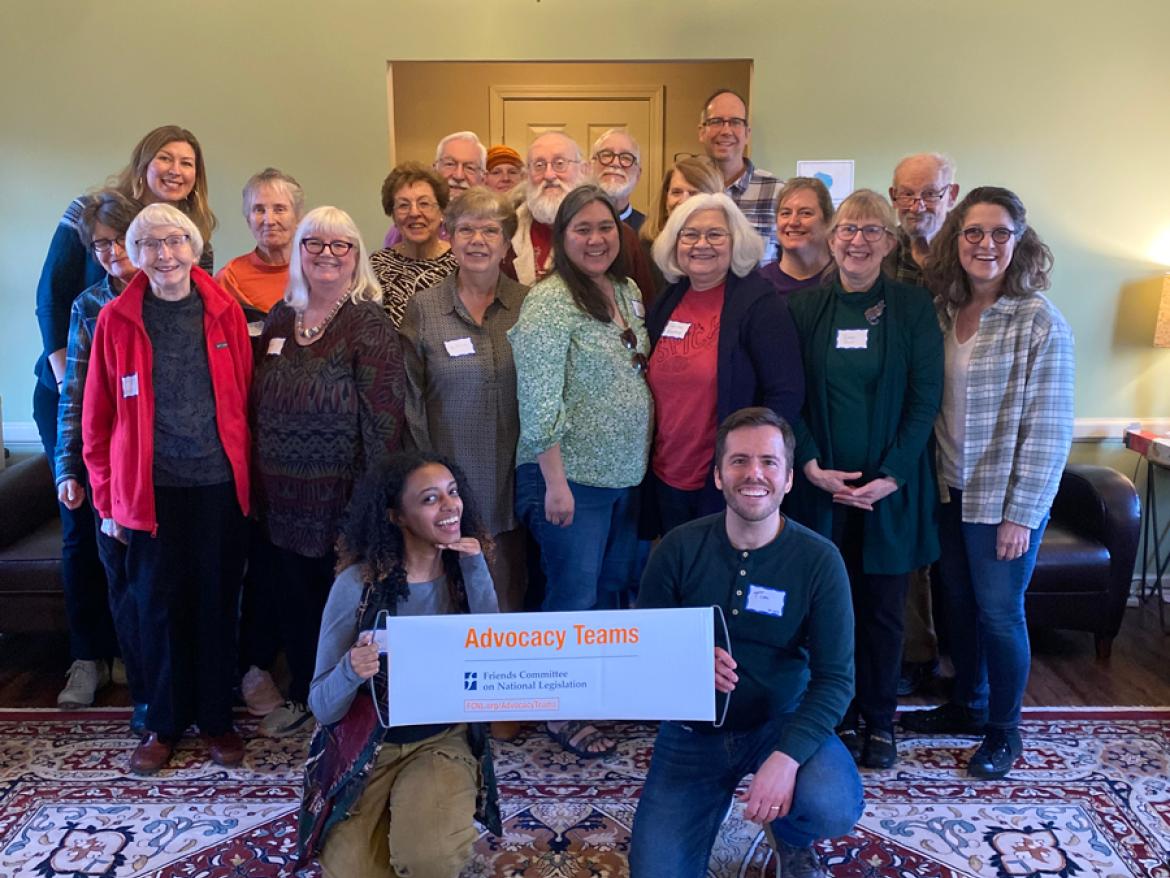
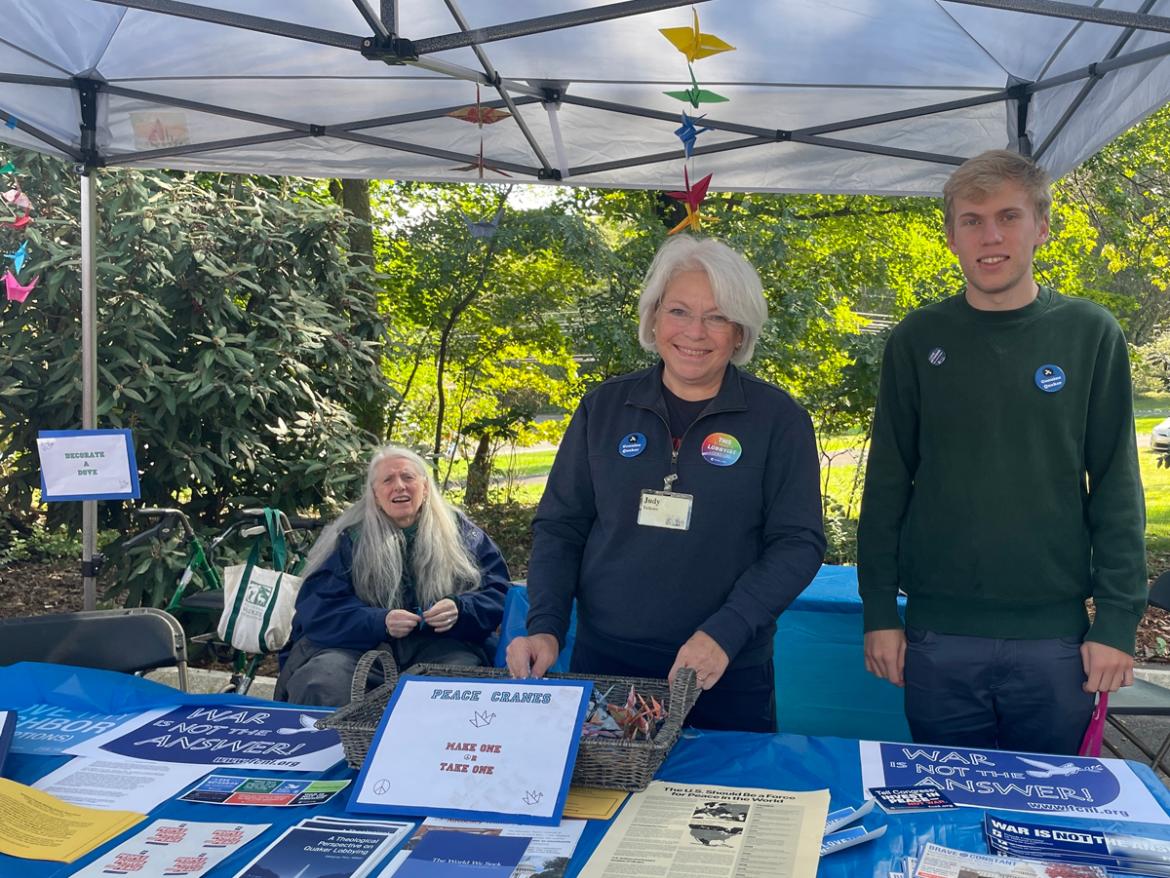
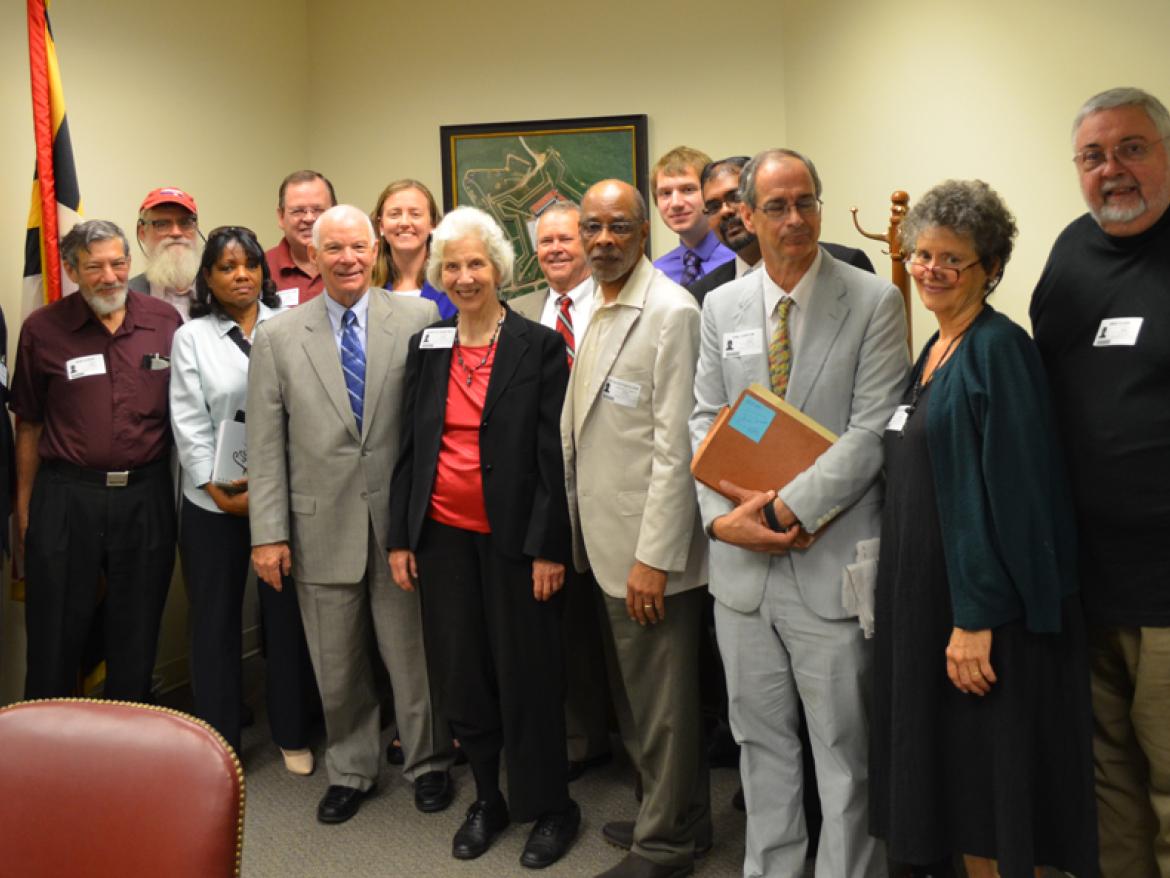
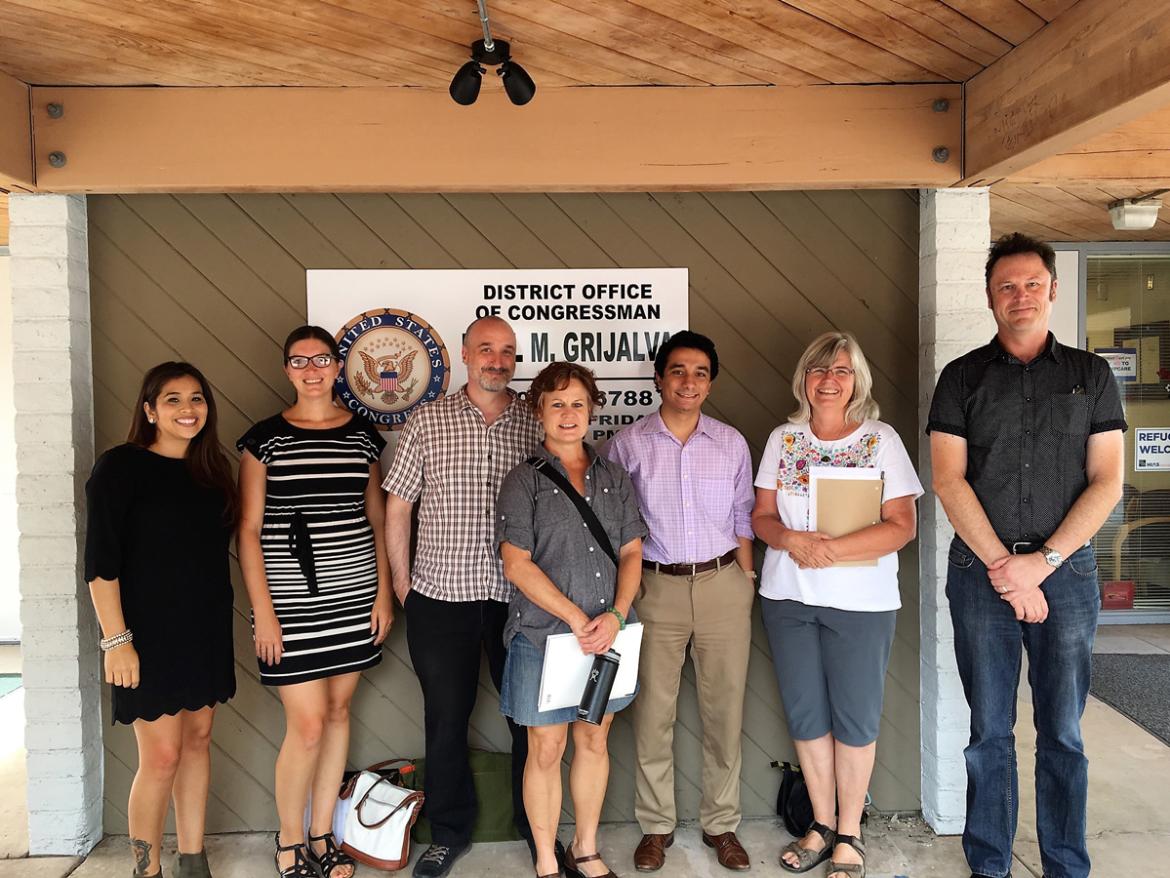
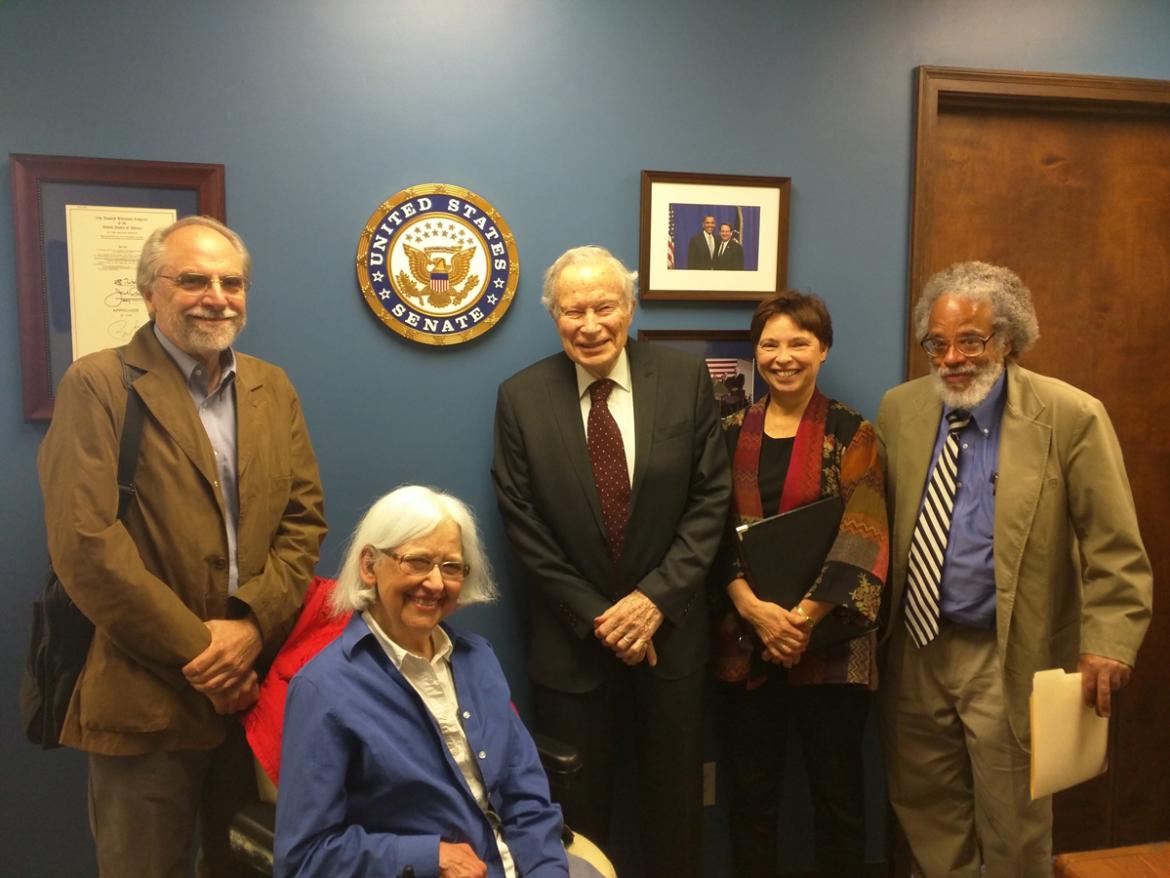
Over ten years, Advocacy Teams worked on nine legislative issues. While the teams found early success lobbying on both foreign and domestic policies, they have since focused on foreign policy. Teams advocated to repeal outdated war authorizations, prevent wars with North Korea and Iran, rein in wasteful Pentagon spending, invest in peacebuilding funding, and end U.S. support for wars in Yemen and Gaza.
This consistent focus has led to an outsized impact. Teams have developed deep expertise in foreign policy issues, and because most other constituents lobby on domestic issues, their voices on foreign policy often carry greater weight on Capitol Hill.
Advocacy Teams have made measurable progress in shaping U.S. foreign policy. They worked for several years to repeal the 2002 Authorization for Use of Military Force in Iraq. Repeal measures passed the House in 2019 and 2021, and the Senate in 2023—each time with bipartisan support.
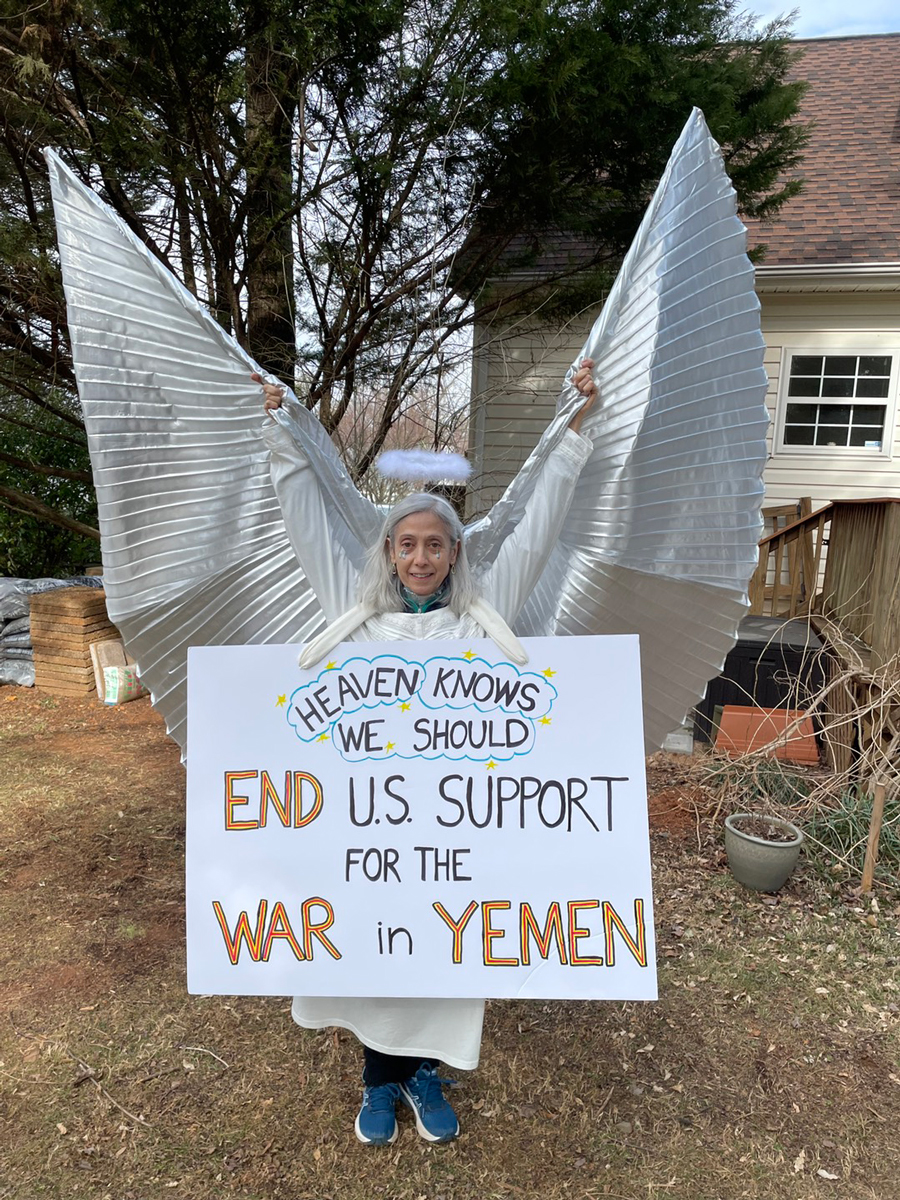
In 2022, as Yemen faced one of the world’s worst humanitarian crises, Teams played a key role in securing co-sponsors for the Yemen War Powers Resolution. Although the resolution did not pass, their advocacy increased the pressure for policy changes that led to an eventual ceasefire and greater regional stability.
Among all the issues Advocacy Teams have taken on, reining in Pentagon spending has proven the most challenging. Runaway military spending fuels global conflict and diverts resources from pressing human needs. As with the long-term effort to repeal the Iraq and Afghanistan war authorizations—a campaign that spans decades—teams are now laying the groundwork for change. We hope to build a bipartisan consensus that a $1 trillion Pentagon budget does not serve our security, our economy, or our values.
While continuing the time-tested model of organizing around one central legislative campaign, Teams have shown they are ready to take on more issues at the same time. This year, Advocacy Teams launched a secondary campaign to confront the climate crisis. In just six months, they conducted 35 lobby visits on climate.
Their advocacy prevented some of the most harmful effects of the One Big Beautiful Bill Act (P.L. 119-21).
In a time of deep polarization and accelerating crises, the FCNL Advocacy Teams’ witness is more vital than ever. Rooted in faith and grounded in relationship-building, Teams continue to speak truth to power, call for justice, and sow the seeds of peace across all 50 states and on Capitol Hill.
To join or start an Advocacy Team, visit our website here.