Why is the Voting Rights Act important?
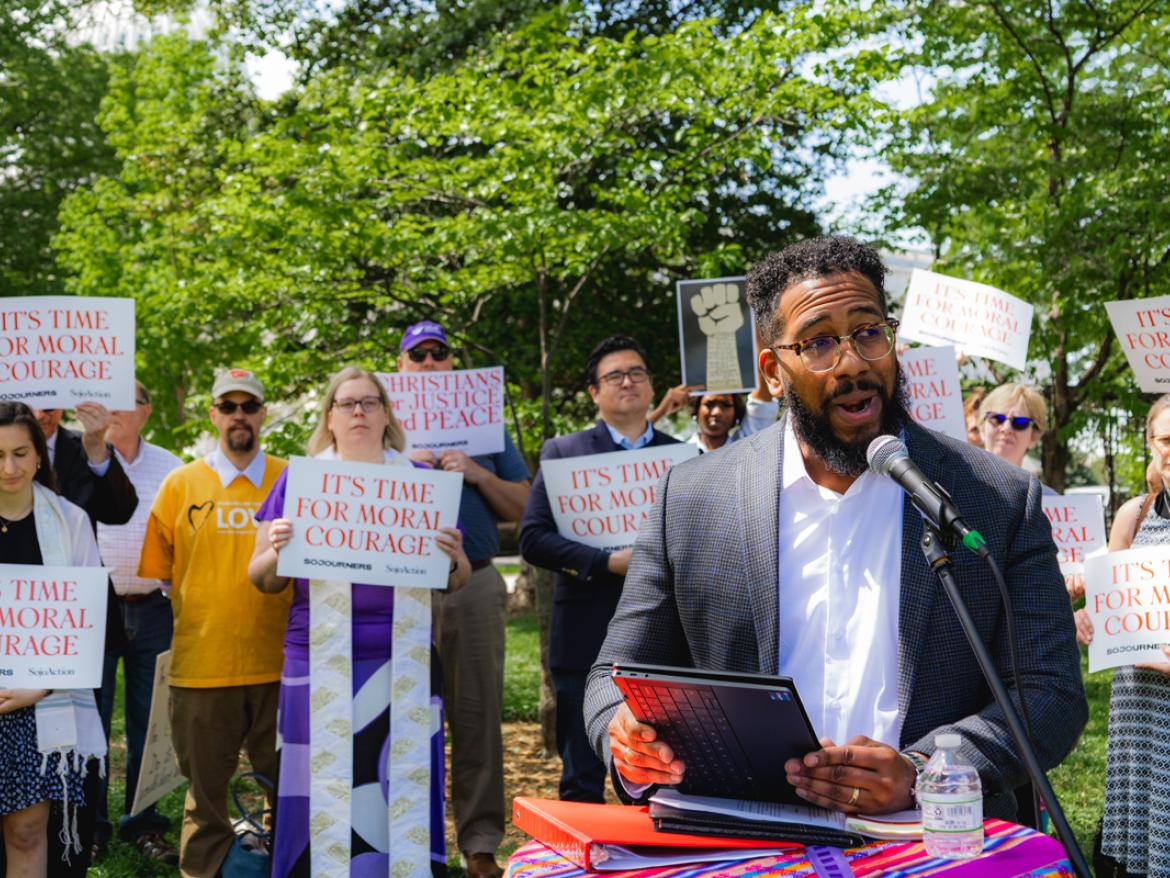
The United States was founded on principles of freedom and equality but was built on the backs of enslaved people and immigrants. Today we see an executive branch zealous in silencing free speech; efforts to make the House districts less democratic; and onerous laws that make voting more difficult.
In an increasingly diverse country, laws such as the Voting Rights Act seek to limit injustices, ensure that all can access their government, and enable everyone to have a say in who makes and implements laws. The Voting Rights Act, passed 60 years ago, is a means to achieve the lofty ideals of our increasingly multiracial democracy.
What threats is the Act facing?
To make elections have “more integrity” some actors seek to game the system in their party’s or candidate’s favor by erecting barriers to voting, in the name of “preventing fraud.” This includes legislative proposals for more voter ID laws, limiting absentee voting, and requiring proof of citizenship. Research by the Brookings Institution found that voter fraud takes place less than 1% of the time in a span of 13–38 years.
How has the reduction of the act’s powers impacted vulnerable communities?
The Supreme Court’s 2013 Shelby v. Holder decision pointed to strides towards racial justice in our society. But the justices used this reasoning to eliminate the very sections of the Voting Rights Act that helped us get to this place. The late Justice Ruth Bader Ginsburg compared the decision to throwing away your umbrella in a rainstorm because it was working.
Our complex system of state governments, federal government, and judicial elections is a lot to track. On top of this, complex requirements lower turnout by making it harder to register, plan, and vote.
Diluting protections that help people exercise their right to vote further depresses turnout and defaults our democracy and levers of power to serving the wealthy and the powerful.
How does a strong Voting Rights Act contribute to a resilient democracy?
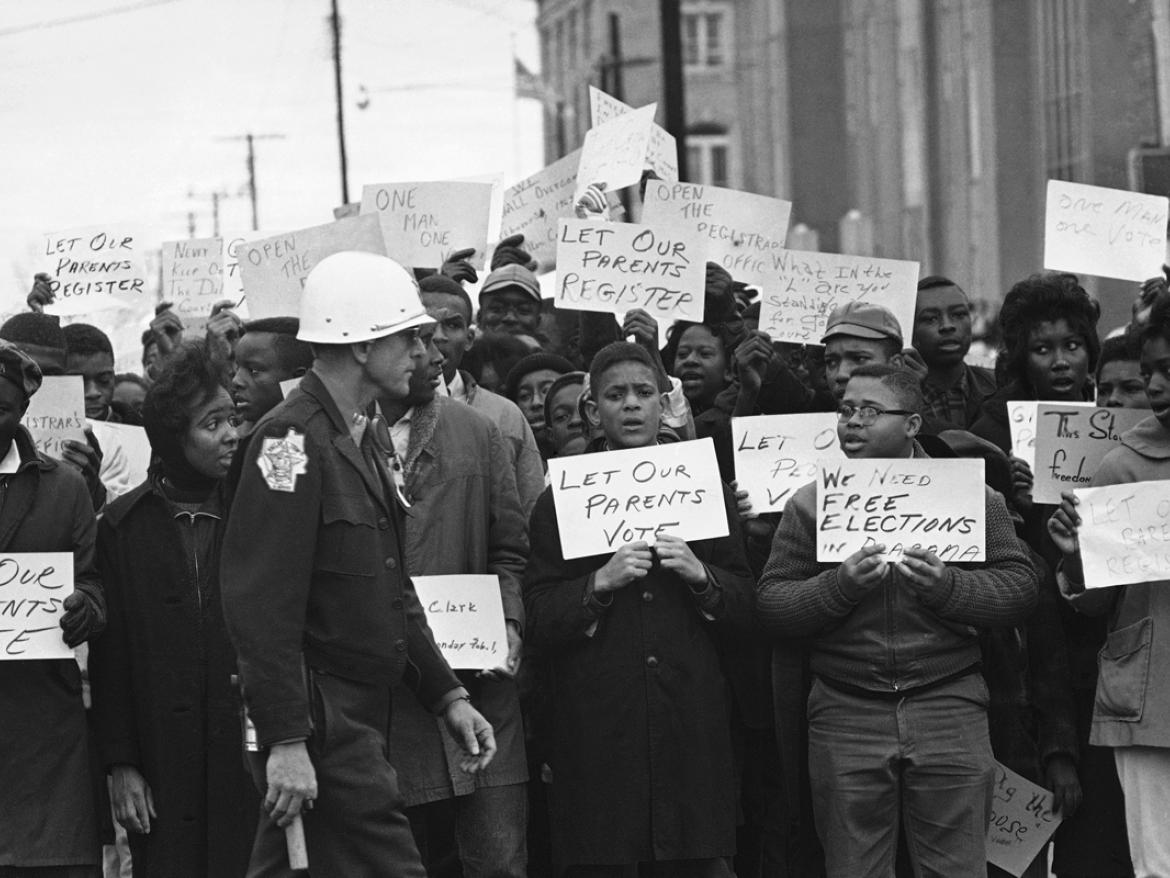
The Voting Rights Act (P. L. 89–110) is a landmark law that sought to correct the ugliness of our past. Our democracy started with only white, male property owners having a say in our government. With each generation, we have expanded the franchise, but our systems, stained by racism and white supremacy, are run by imperfect people.
That is why we need strong laws, and by extension, strong bills to pass like the John R. Lewis Voting Rights Advancement Act (H.R. 14). This will ensure that we continue to strive for a just and free multiracial democracy that gives equal weight and opportunity to everyone.
How were Quakers involved in the Voting Rights Act and protecting it today?
Leading up to the passage of the Voting Rights Act of 1965, Friends ensured that FCNL’s work in Congress continue to advance the gains of the 1964 Civil Rights Act (P.L. 88-352).
Friends knew that the Civil Rights Act of 1964 did much to advance the equal opportunity of non-whites “to assure equal access to public accommodations, educational and employment opportunities, and [authorize] the cutting off of federal funds where discrimination is practiced in public programs.” Friends pushed for additional legislation to ensure the right to vote.
According to the current FCNL Statement on Legislative Policy, “Our democracy can live up to its potential only if the government ensures open access to public office and electoral processes; curbs the influence of money and corporate power; safeguards the integrity of the voting process without raising unnecessary barriers; provides full participation for disenfranchised people, including those currently and formerly incarcerated; and protects and secures electoral and voting procedures from foreign and domestic interference.”
Today Friends and FCNL continue to strive for equal access to the right to vote by advocating for bills like the John R. Lewis Voting Rights Advancement Act.