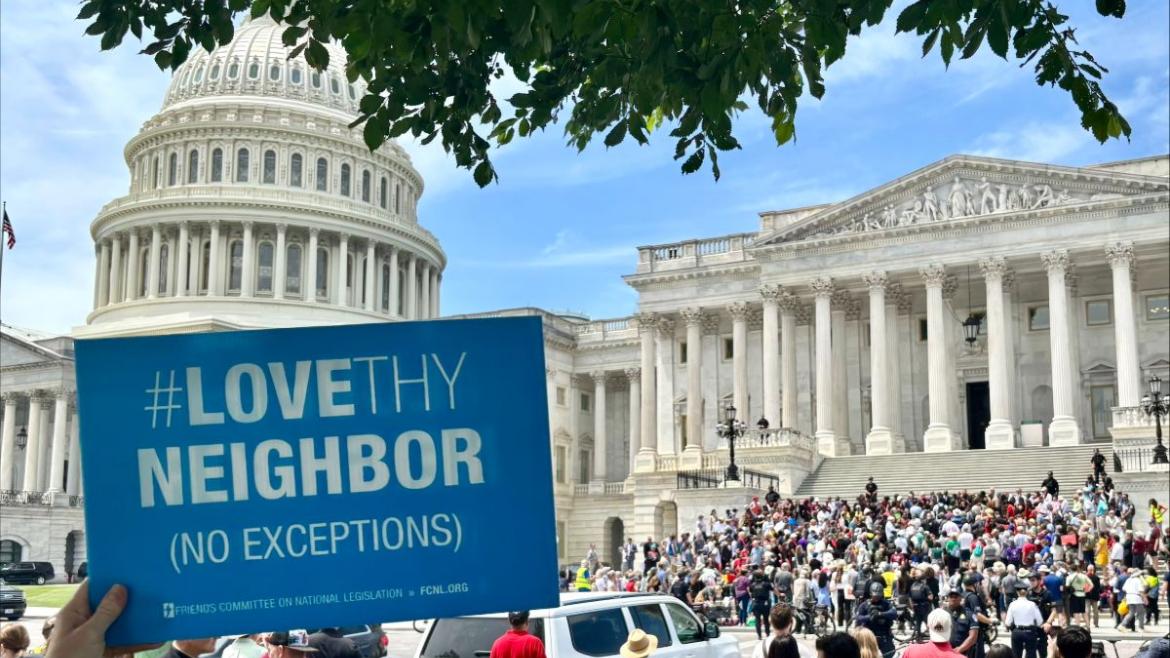
In March, faith leaders and advocates returned to Capitol Hill for an Interfaith Working Group on Foreign Assistance Congressional Fly-In. This time, their advocacy focused on the appropriations process to allocate funding for U.S. foreign assistance for fiscal year 2027 (FY27). The group emphasized the need to build on what was achieved in the last year’s bill, the H.R.4779 - National Security, Department of State, and Related Programs Appropriations Act, 2026.
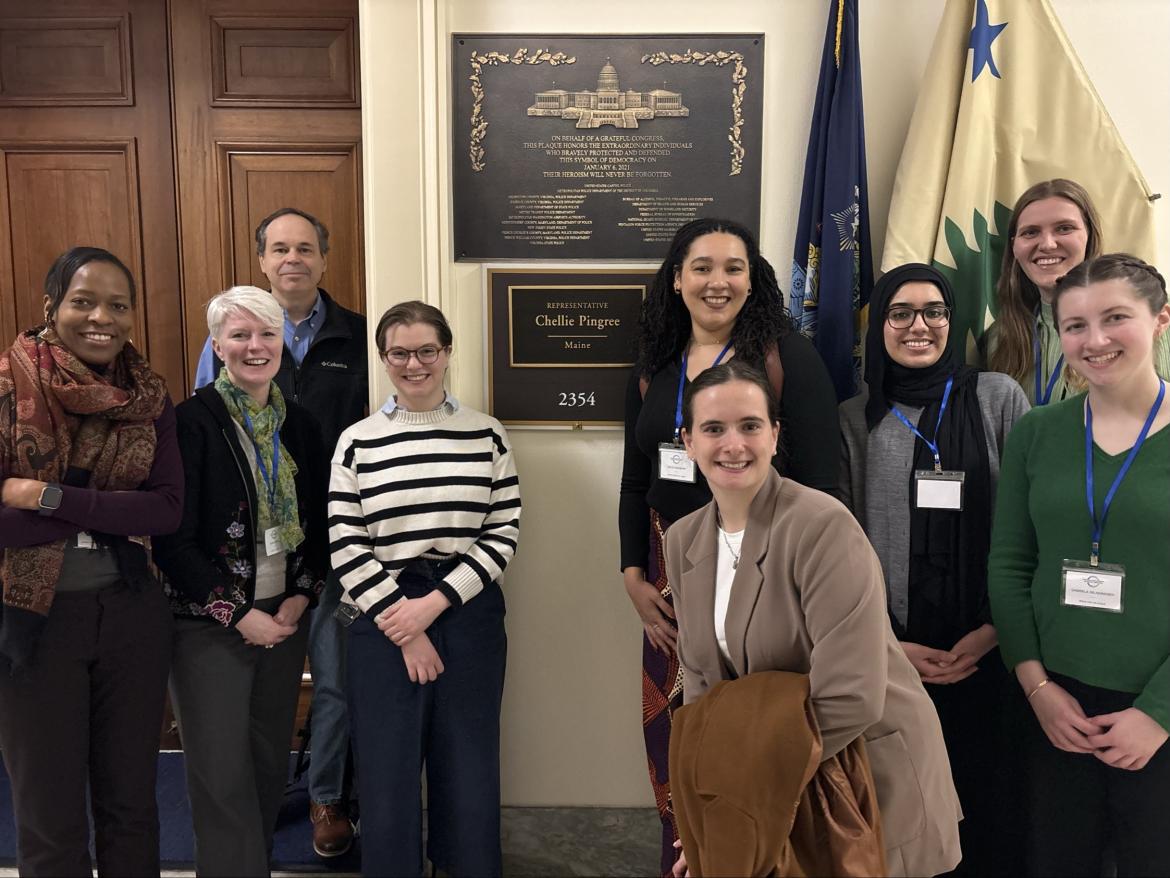
The Interfaith Working Group on Foreign Assistance (IWGFA) is a multifaith coalition of dozens of organizations — Christian, Jewish, Muslim, Hindu, Buddhist, Sikh, and more — united by a shared belief in the moral obligation to provide food, safe water, medicine, and emergency nutrition to those affected by poverty, conflict, and marginalization around the world.
Back on the Hill
Over two days, participants attended 13 meetings with congressional offices across both chambers and both sides of the aisle. In these meetings, they directly engaged with lawmakers responsible for allocating critical funds for the most vulnerable: participants joined bipartisan meetings with staffers on both the Senate Agriculture Appropriations Subcommittee and the House National Security, Department of State, and Related Programs (NSRP) Appropriations Subcommittee. These committees will shape the foreign assistance funding landscape for the next fiscal year.
In these meetings, participants gave a clear, unified message: FY26 funding levels must serve as a floor for foreign assistance, not a ceiling.
The Realities on the Ground
The FY26 funding cycle was an important step forward. After the FY26 Presidential Budget Request proposed dangerous cuts to foreign assistance, Congress stepped up and passed a bipartisan NSRP Appropriations bill, preserving key programs. The IWGFA acknowledged and welcomed that progress. But participants were equally clear that it was not enough.
Over the past year, the administration’s termination of global health programs — including tuberculosis treatment and President’s Emergency Plan for AIDS Relief (PEPFAR) — has had devastating consequences. Experts estimate there were over 270,000 preventable adult deaths and over 550,000 preventable child deaths in the past year alone due to the dismantling of foreign assistance.
In too many cases, funds that Congress has appropriated have not been fully programmed and delivered.
Participants also raised a concern that goes beyond raw numbers: in too many cases, funds that Congress has appropriated have not been fully programmed and delivered. Oversight and implementation have fallen short, leaving life-saving programs underfunded in practice even when they appear funded on paper. Congress must ensure that the State Department and the Department of Agriculture follow through in ensuring these funds get to the people who need them.
Faith in Action
For communities of faith, this work is not abstract. It is an expression of core convictions about human dignity, and our obligations to one another. This year’s Congressional funding process is an opportunity to do better. Congress can choose to build on last year’s work, to close the gap between funds on paper and programs on the ground, and to reaffirm that U.S. leadership in the world includes a commitment to the most vulnerable.
The work is not finished. As the funding process moves forward, constituent voices remain essential. Urge your lawmakers to strengthen — not cut — U.S. foreign assistance.