In September, FCNL, alongside Bread for the World, co-organized the Interfaith Working Group on Foreign Assistance Congressional Fly-In. The three-day event brought together advocates and faith leaders from across the country and around the world. Together, they called on Congress to protect U.S. foreign assistance as they determine funding levels for fiscal year 2026 (FY26).
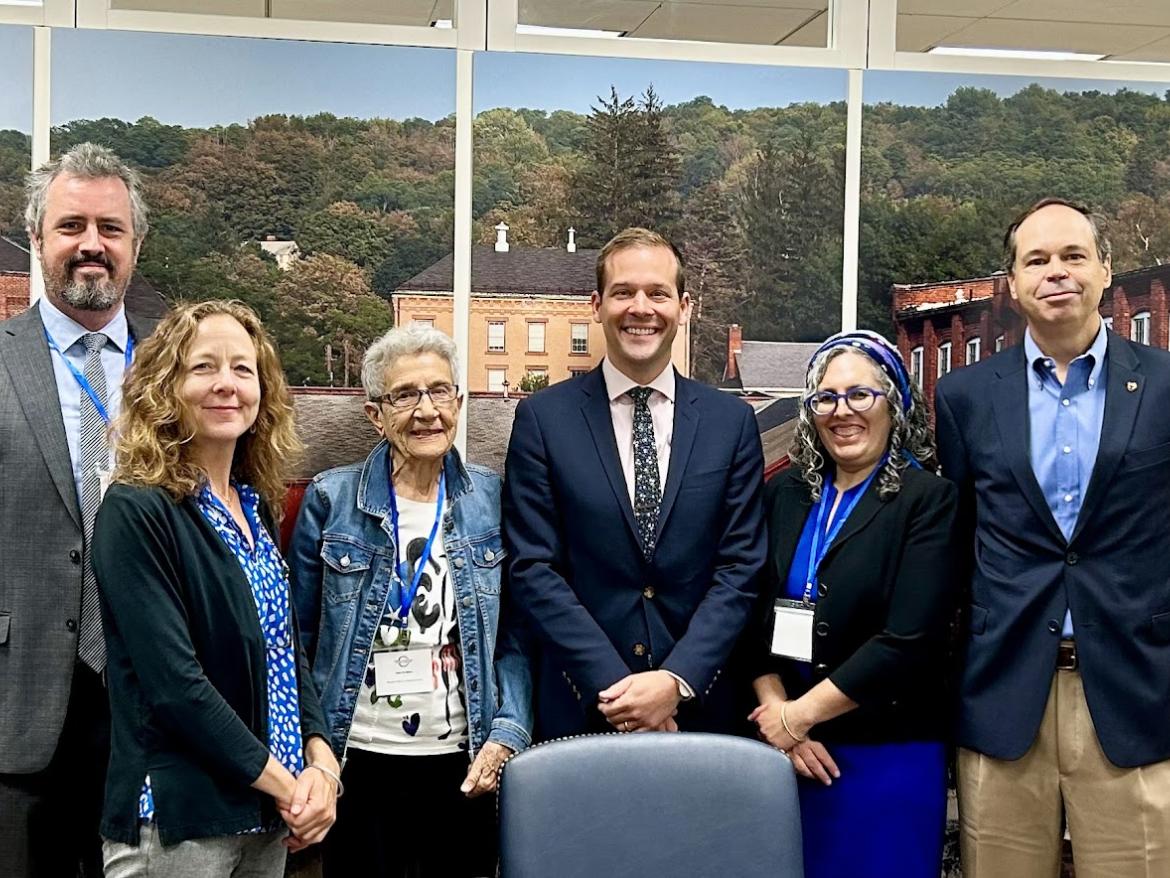
The Interfaith Working Group on Foreign Assistance (IWGFA) is a network of Christian, Jewish, Muslim, Buddhist, Hindu, and other faith voices that share a belief in the moral obligation to provide food, safe water, medicine, and emergency nutrition to those affected by poverty, conflict, and marginalization around the world.
On the first day, participants gathered at Bread for the World’s office, where they heard from several Republican and Democratic staffers. This set the tone for the fly-in as the staffers spoke about the impact that faith voices and storytelling can have in congressional deliberations.
The following day, the IWGFA hosted a breakfast briefing for congressional staff that opened with Rev. Eugene Cho, president and CEO of Bread for the World, urging people of faith and members of Congress to act for the least among us. The IWGFA was honored to have Representative Jim McGovern (MA-2) join the briefing and speak about why he supports robust foreign assistance. “People of many faiths agree,” said Rep. McGovern, “we have a moral duty to care for the most vulnerable.”
Dan Moriarty of Maryknoll Office for Global Concerns, Rabbi Elizabeth Richman of American Jewish World Service, and Shaykh Yousef Bakeer of Helping Hand for Relief & Development, all members of the IWGFA, reflected on the importance of ensuring that U.S. policy centers vulnerable people and how their advocacy is an expression of their faith. FCNL’s Bridget Moix closed out the event by calling on attendees to “pray with their feet” in their advocacy for aid to the least among us.
Making the Case: Why Foreign Assistance Matters
Participants from 13 member organizations attended nearly 30 meetings with congressional offices from both chambers and on both sides of the aisle. Throughout the meetings, participants urged lawmakers to fully fund foreign assistance—not just as an act of goodwill, but as a strategic investment in global stability, peace, and human dignity. Participants called for the restoration and expansion of life-saving programs that support vulnerable communities and promote a more just and secure world.
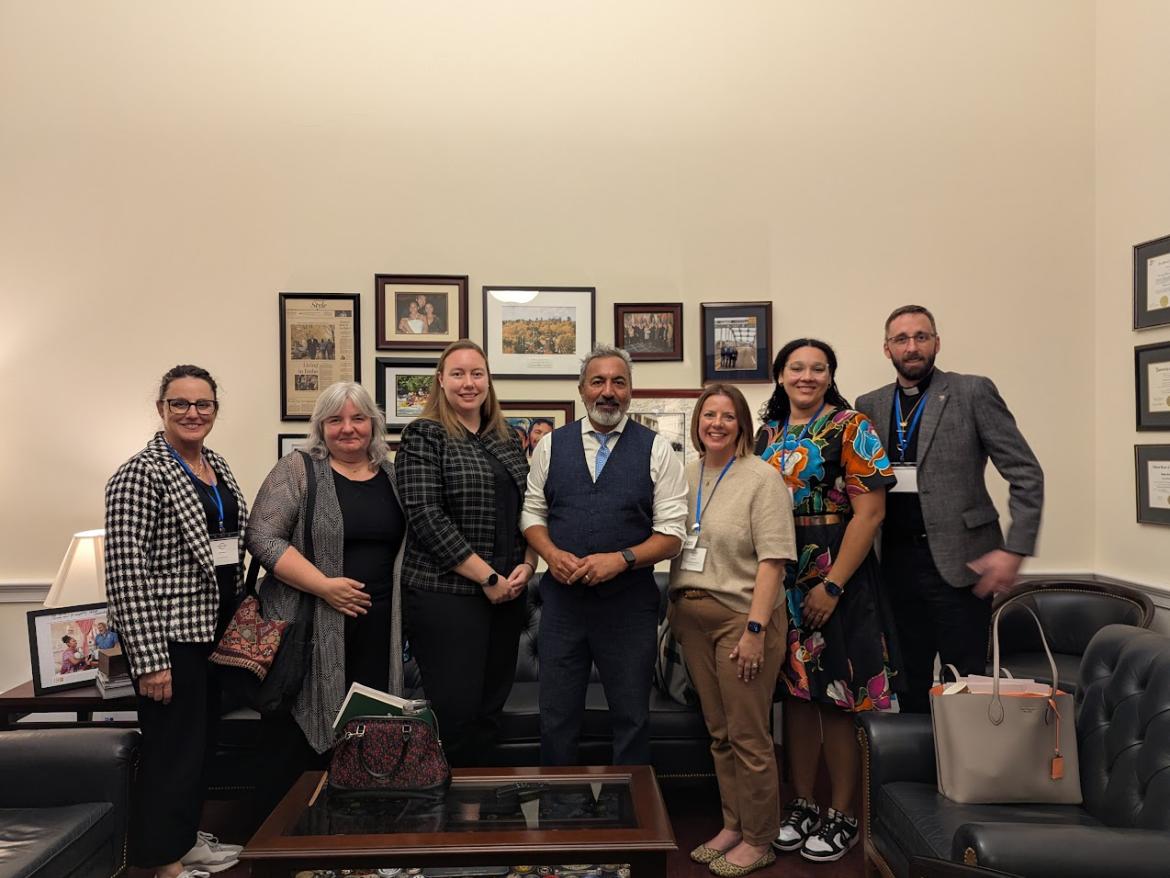
Participants shared powerful stories from their work, illustrating the real-life impact of these programs on vulnerable communities worldwide. Firsthand accounts from Guatemala, Jordan, and Kenya highlighted the severe impact of recent cuts to the U.S. Agency for International Development (USAID) on local communities. They also underscored the domestic consequences of these cuts, citing examples from their congregations, such as Kansas farmers who were depending on USAID contracts for their crops this year.
These conversations allowed the coalition to engage directly with offices and staff from key committees that shape U.S. foreign assistance policy. In conversations with congressional offices across the aisle, we heard growing interest in adapting previously USAID-managed programs into new frameworks, with an emphasis on including clear implementation and reporting requirements for the executive branch.
As Congress finalizes the FY26 spending package, constituents’ voices are essential. Urge your lawmakers to support strong, sustained funding for U.S. foreign assistance.
As Representative McGovern reminded us “good things only happen around here when good people demand it.”