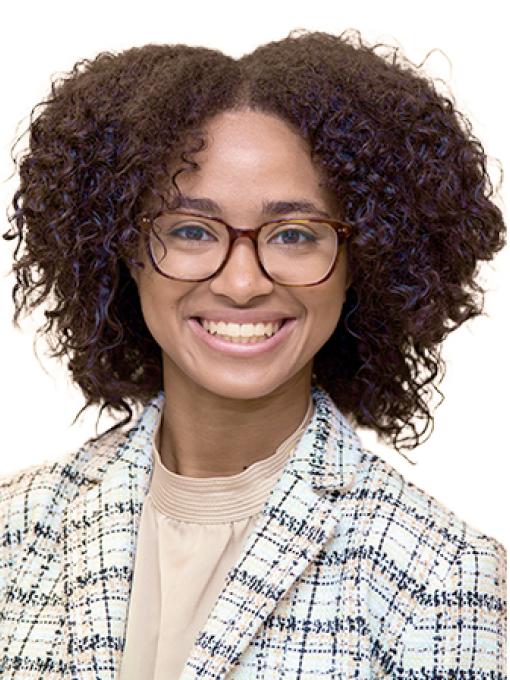
Cherokee Nation Citizen Markwayne Mullin Named Department of Homeland Security Secretary
Cherokee Nation citizen Markwayne Mullin was sworn in on March 24, 2026, as the ninth Secretary of the U.S. Department of Homeland Security (DHS). A former U.S. senator from Oklahoma and longtime member of Congress, Mullin’s confirmation followed his nomination by President Donald Trump and a Senate vote earlier in March.
Secretary Mullin’s appointment comes amid widespread public anger concerning the Department’s actions relating to immigration enforcement. It also comes amidst turmoil inside DHS, as multiple agency leaders have been forced out. DHS has also received widespread criticism from tribal leaders and citizens. Several tribal citizens have been wrongfully detained by the agency. Multiple tribal nations have also canceled contracts with the agency. On March 25, the Choctaw Nation of Oklahoma purchased a warehouse that Immigration and Customs Enforcement (ICE) had planned to turn into a detention facility.
Mullin’s appointment is significant for Indian Country. As a citizen of the Cherokee Nation, he is the first Cherokee citizen—and one of the few Native Americans—to serve in a presidential cabinet. Tribal leaders, including Cherokee Nation Principal Chief Chuck Hoskin Jr., emphasized the importance of this moment, noting that Mullin’s leadership on the national stage carries deep cultural and political meaning.
Before joining the administration, Mullin built a political career that included service in the U.S. House of Representatives from 2013 to 2023 and the U.S. Senate from 2023 until his resignation to assume the DHS role.
SAVE Act Draws Criticism from Tribal Leaders
The Safeguard American Voter Eligibility (SAVE) Act has prompted concern among tribal leaders across the country who warn the legislation could create barriers to voting for tribal citizens. The bill would require documentary proof of U.S. citizenship—such as a passport or certified birth certificate—to register for federal elections.
Leaders from organizations such as the Alaska Federation of Natives have expressed concern that the requirements may disproportionately harm Alaska Native voters, particularly those in remote villages. In these areas, access to vital records offices can be limited, and obtaining official documents may involve significant travel, cost, and administrative hurdles. Tribal advocates note that these logistical challenges could complicate voter registration and participation for eligible citizens.
Similar concerns have been raised by tribal governments in the Lower 48, reflecting broader concerns about how documentation requirements would worsen longstanding barriers to access in Native communities. One specific provision of the legislation under scrutiny is a requirement that voters register to vote in-person.
Senator Lisa Murkowski (AK), speaking on the Senate floor on March 23, said “[the SAVE Act] would be a major, major departure from how most Alaskans currently register to vote. Just setting the scene here, in 2024, over 80 percent of applicants registered by mail, they registered online, or they registered through our permanent fund dividend application.”
Stronghearts Hotline
This Women’s History Month, FCNL is bringing attention to resources for tribal communities dealing with violence against Native American, Alaska Native, and Native Hawaiian women. Nine years ago, National Indigenous Women’s Resource Center and the National Domestic Violence Hotline created the StrongHearts Native Helpline to provide culturally sensitive resources for Native survivors of domestic, dating, and sexual violence. This is the sole domestic violence hotline dedicated to serving Native American communities.
Since 2017, StrongHearts Native Helpline has responded to over 85,000 calls and text messages, and they have provided more than 26,000 referrals to direct domestic violence service providers. Lori Jump, the organization’s CEO, stated that, “This anniversary is not just a reflection of where we’ve been—it’s a testament to our team, to our commitment to ensure that the thousands of survivors who have reached out receive culturally honoring support.”
Structural racism combined with a long history of genocidal policies has contributed to the disproportionately high rate of violence against American Indian and Alaska Native women. According to the National Congress of American Indians, 4 out of 5 American Indian and Alaska Native women experience violence in their lifetimes.
In September of 2025, the Department of Health and Human Services (HHS) announced that it will fund the helpline for $15 million over a five-year period. This funding shifts the organization’s status from subgrantee to grantee and provides them with substantially more resources to carry out their mission.
What We’re Reading
- Legislative Pathways to Addressing the Crisis of Missing and Murdered Indigenous Women and Relatives | FCNL
- Cast a Ballot and Wait for the Plane. In Alaska, a Grace Period for Ballots is Seen as a Necessity | Associated Press
- White House will Proceed with Mining Project that will Destroy Site Sacred to Native Americans | EWTN News
- Harvard Peabody Museum Still Holds 46 Percent of Native American Ancestors, New Data Shows | Harvard Crimson