
Having a structure for regular group meetings will help things run smoothly. We encourage groups of advocates to meet at least once a month to have a clear entry point for new members and to make plans together for lobbying, publishing in the media, and engaging your community.  

Tips for Running Effective Meetings

  1. Have a clear agenda so it feels like a good use of time.
  2. Make the meeting fun so people want to come back.  
  3. Include time to build relationships, e.g. check in on how people are doing, share a meal, dessert or coffee.  
  4. Make sure your meeting leads to action so it feels worth people’s time. Make clear next steps for what you want to do. 
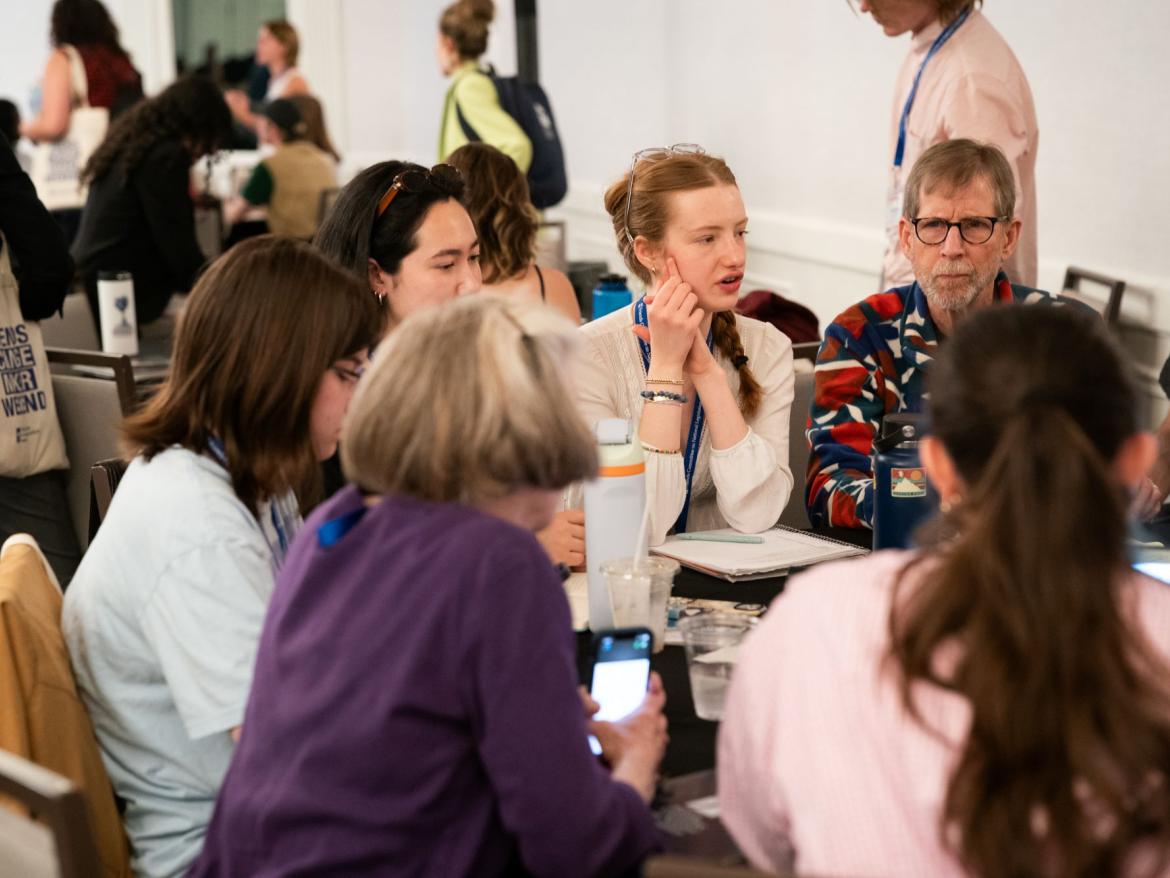
A group of constituents at a computer
Attribution
DAGFoto/FCNL

Questions to ask when planning a meeting

  • What is the purpose of this meeting?
  • Who is the audience for this meeting? How can our meetings be welcoming to newcomers?
  • What information do we need from the attendees of this meeting? What information do we need to share with the attendees of the meeting?
    • Consider if there is any information you can ask for in advance, or share in advance via email or group message.  
  • What decisions do we need to make by the end of this meeting?
    • Almost every meeting will involve deciding dates, times, and roles for an upcoming activity or event. Other decisions might include:
      • What date should we do our lobby meetings?
      • What should our lobby ask be?
      • Who should we reach out to schedule our first meeting with?
      • What kind of social activity to include?
  • How will we make those decisions in this meeting?
    • Will the whole group vote? Use consensus? Will the leader(s) or point person decide? Will the voting be with hands, pieces of paper, or online? Can any decisions be made before the meeting?
  • How much time do we want to spend in this meeting? When is the best time to hold the meeting for people in our group?
    • For high schools: account for transition time for students to get to and from classes, or to and from lunch.  
    • For colleges: for weeknight meetings, account for how much time you can reserve rooms for, other evening commitments your club members have.  
    • For those out of school: account for work schedules, family care needs, accessibility needs, and commuting times.  
    • How can your meeting time and venue be accessible for all ages?  
  • Who will handle each role in this meeting? Do I need to make any asks in advance?
    • Facilitator -  
    • Notetaker -  
    • Time keeper -  
    • What other roles should need to be assigned in advance? 

Before the Meeting

  • Create the agenda.  
  • Confirm meeting roles.  
  • Create any slides or supporting materials.  
  • Secure a location or create a virtual meeting link. Sign up for a free account on Zoom, use Google Meet, or use another video meeting tool.  
  • Send out the meeting information via email to members (date, time, location, agenda).  
  • Send reminders about the meeting the day-before or day-of. 

Agenda Template

Name of Meeting

Date, Time, Location

Meeting Agenda

  1. Welcome (5 minutes)
  2. Community Building (5 minutes)
  3. Main Activity or Discussion (10-45 minutes)
    1. Share out updates from most recent FCNL call and/or the relevant updates from Congress and the news
    2. Debrief last month’s activities
    3. Plan current and future month’s activities
  4. Review next steps (5 minutes) 

After the Meeting

  • Share notes with attendees and anyone who couldn’t make it.  
  • Remind the group of next meeting date, time, purpose.  
  • Follow up with people who volunteered to take on roles or complete next steps.